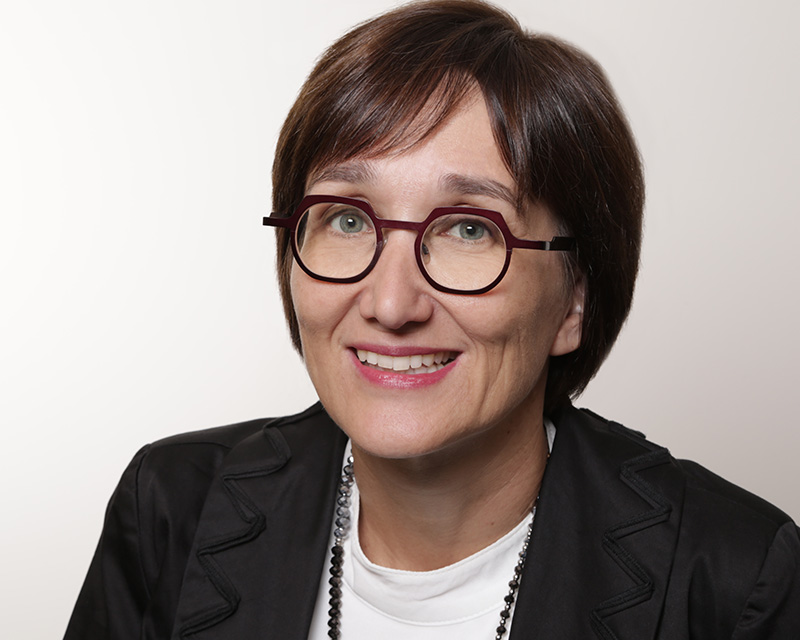
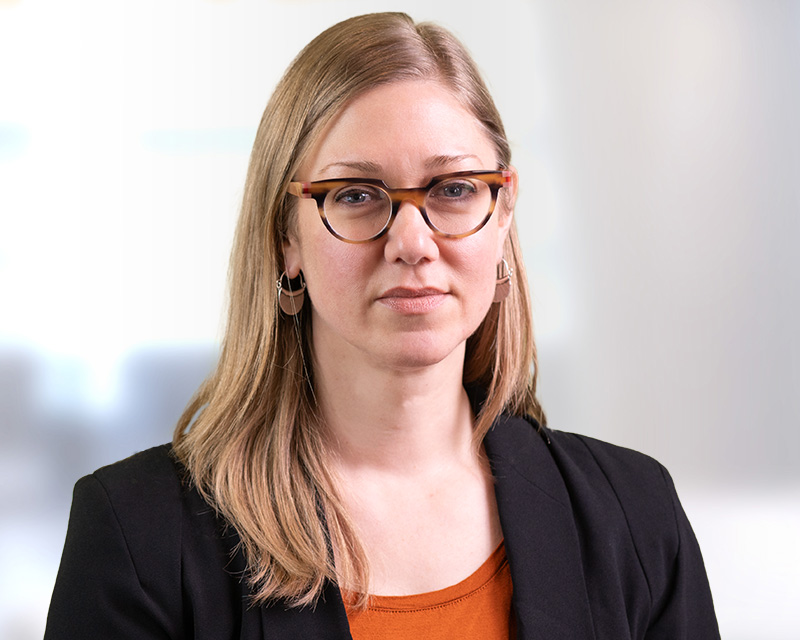
Claudia Ringler
Director, Natural Resources and Resilience (NRR), Natural
Resources and Resilience

Back
With research staff from more than 60 countries, and offices across the globe, IFPRI provides research-based policy solutions to sustainably reduce poverty and end hunger and malnutrition in developing countries.

researcher spotlight
Elodie Becquey is a Senior Research Fellow in the Nutrition, Diets, and Health Unit, based in IFPRI’s West and Central Africa office in Senegal. She has over 15 years of research experience in diet, nutrition, and food security in Africa, including countries such as Burkina Faso, Chad, Ethiopia, Ghana, Kenya, Mali, and Tanzania.

Back
Since 1975, IFPRI’s research has been informing policies and development programs to improve food security, nutrition, and livelihoods around the world.

Back
IFPRI currently has more than 600 employees working in over 80 countries with a wide range of local, national, and international partners.
The world’s natural resources provide food, water, fuel, fiber, and many other ecosystem services to society. Agriculture and food systems depend on healthy ecosystems and natural resources, but these resources face rising pressure from unsustainable production practices, population growth, and climate change. Additionally, food systems account for one-third of all greenhouse gas (GHG) emissions, consume an estimated 85 percent of global freshwater withdrawals, and drive the loss of biodiversity and natural ecosystems.
Natural ecosystems, such as wetlands and tropical forests, are declining in quality and functioning, due to population growth, climate change, and poor management. Desertification, deforestation, overgrazing, salinization, soil erosion and biodiversity loss are on the rise, especially in low-income countries, with major impacts on the ecosystems underlying agrifood systems. The deterioration in vital natural resources and ecosystem services—from fertile soil to freshwater streams—has devastating impacts on the poor, who rely on these resources for much of their livelihoods, food, fuel, and clean water.
Current research
IFPRI conducts research on the incentives and institutions affecting the sustainable management of natural resources underlying agrifood systems and on the economics of ecosystem services and biodiversity. Work at the global and river basin level examines ways to reduce trade-offs in achieving goals for sustainable water, energy, and food security. This research is complemented by the development of policy innovations that can promote nature-based or nature-positive solutions, reduce costly and environmentally harmful practices, halt the loss of critical natural habitats or carbon sinks, and increase the use of clean energy.At the local level, IFPRI partners with NGOs and rural communities to design and test behavioral change interventions to strengthen collective action and self-governance. Participatory action research such as Living Labs for People that supports locally driven multi-actor innovation processes and transformative change can help empower women and vulnerable people most affected by resource scarcity and degradation in decision-making that affects their livelihoods.
IFPRI’s research on this topic is closely aligned with the Sustainable Development Goals (SDGs), including SDG 1, SDG 2, SDG 12, and SDG 15, and the CGIAR Impact Areas on Climate Adaptation and Mitigation; Environmental Health and Biodiversity; and Poverty Reduction, Livelihoods, and Jobs.



Book Chapter

Book

Book Chapter

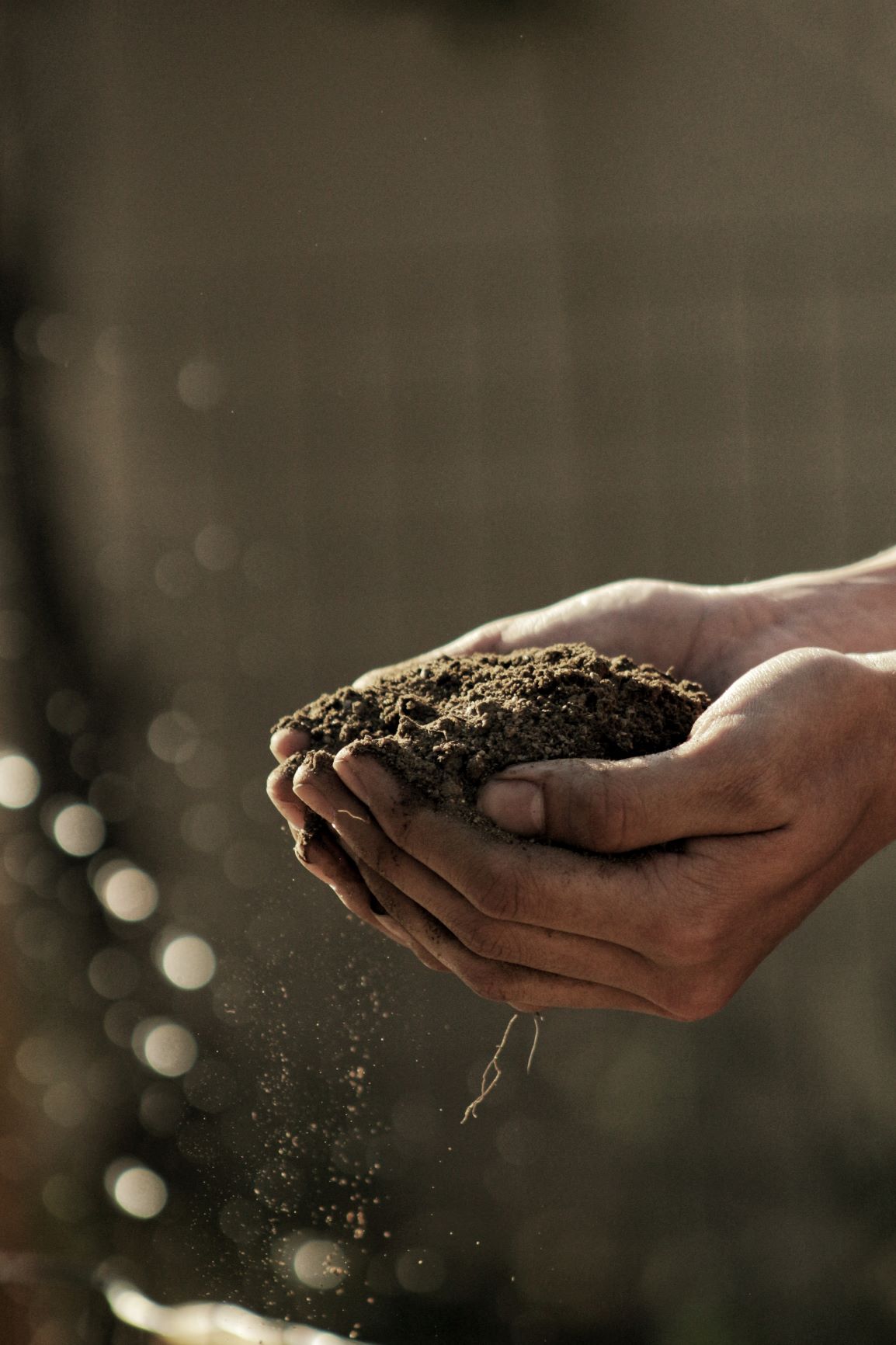
Overcoming obstacles for farmers.

Linking sustainable farming practices to childhood nutrition.

The importance of understanding and managing complexity.

Achieving the goals of climate smart agriculture (CSA)—increased profitability, adaptation, and mitigation—and scaling climate action require explicit consideration of gender and other intersectional identities. Failing to design climate actions to include and benefit women and other vulnerable groups misses opportunities to build resilience capacities, which would enable these groups to contribute to more sustainable and […]

This year’s Conference’s theme, Progress and Prospects for Climate-Resilient Agrifood Systems: Actionable Recommendations for Policymakers and Practitioners, captures the urgency and complexity of transforming agrifood systems in response to climate change. Addressing the trade-offs between food production and net-zero targets, pursuing sustainable intensification, and promoting inclusivity are essential for building resilient and equitable agrifood systems. These themes […]

Throughout her career, Ruth Meinzen-Dick has made pathbreaking contributions to natural resource management and gender equity, drawing from her deep engagement with communities to improve understanding and measurement in these areas. Dr. Meinzen-Dick’s research encompasses land and water policy, property rights, collective action, and games for experiential learning, with a longstanding focus on improving equity. […]
The study explores how farmers’ land-use decisions can be guided by the relative risks and returns of different crops—similar to how financial investments are managed.
New research published in PNAS shows that it is feasible without further expanding agricultural land. The study, led by Wageningen University & Research (WUR) in collaboration with partners including IFPRI, offers more optimistic projections compared to earlier research.
Key findings were presented and discussed during the IFPRI policy seminar on June 11.

Director, Natural Resources and Resilience (NRR), Natural
Resources and Resilience

Director, Innovation Policy and Scaling (IPS), Innovation
Policy and Scaling

Research Coordinator, Innovation
Policy and Scaling

Research Fellow, Natural
Resources and Resilience

Research Fellow, Development
Strategies and Governance

Research Fellow, Natural
Resources and Resilience

Research Fellow Emeritus, Director
General's Office (DGO)

Program Manager, Development
Strategies and Governance

Program Manager, Markets,
Trade, and Institutions

Nonresident Fellow, Natural
Resources and Resilience

Nonresident Fellow, Natural
Resources and Resilience