





Overview
The Agrifood Innovation and Resilience (AIR) Unit conducts interdisciplinary research to support tangible progress toward more equitable, resilient, and environmentally sustainable food systems. Our work includes climate action, natural resource governance across the water-energy-food-environment nexus, responsible AI, enabling and scaling of innovation, and evidence of innovation impact.
By integrating gender and other equity considerations, fostering partnerships, and leveraging emerging technologies and institutions, the Unit informs policies and investments that enhance productivity, resilience, environmental sustainability, and equitable development outcomes across diverse agrifood systems.
Area of Focus
Equitable Climate Action
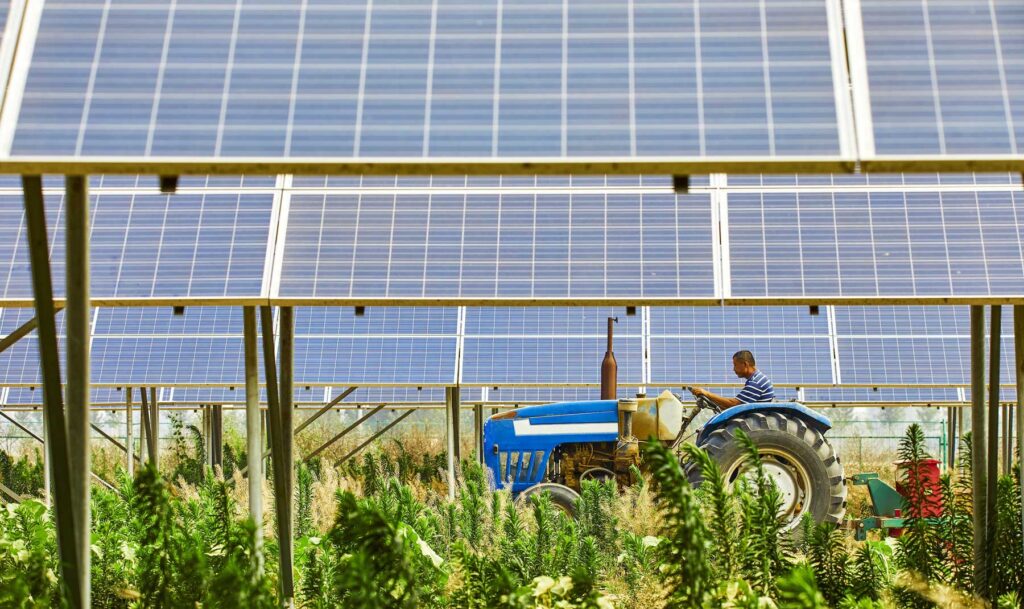
Equitable climate action generates rigorous evidence on how climate change affects agrifood systems, including production, livelihoods, nutrition, health, labor, and inequality. The subtheme uses spatial analysis, empirical research, and scenario modeling. It also tests and evaluates climate solutions, such as climate information services, AI‑enabled and other digital tools, innovative finance, and locally led adaptation processes. To support equitable, resilient outcomes at scale, we focus closely on gender equality, inclusive governance, policy engagement, and capacity sharing. Theme Lead: Elizabeth Bryan
Enabling and Scaling Innovation
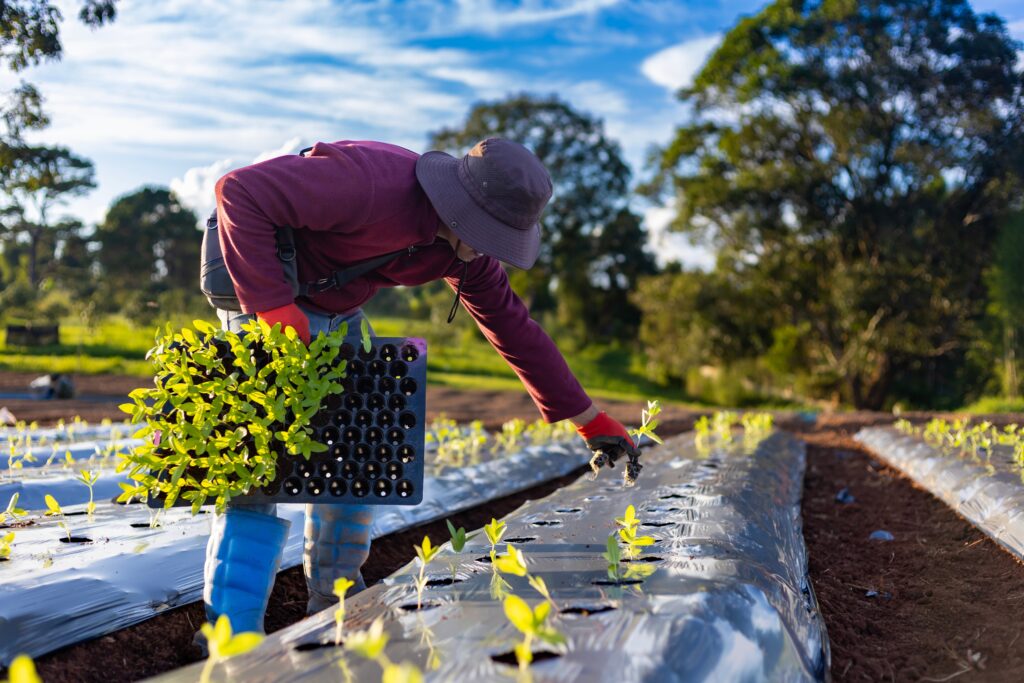
Enabling and scaling innovation provides actionable, evidence-based policy and regulatory options to accelerate investment in and impacts of science, technology, and innovation (STI). In this subtheme, we use mixed-methods assessments to evaluate STI policy options and optimize innovation ecosystems—thus strengthening interactions between policies, programs, and diverse stakeholders. By diagnosing the socioeconomic drivers and institutional barriers of adoption, this subtheme helps to ensure that responsible, equitable, and cutting-edge solutions reach the producers and communities that need them most. Theme Lead: Catherine Ragasa
Natural Resources Governance
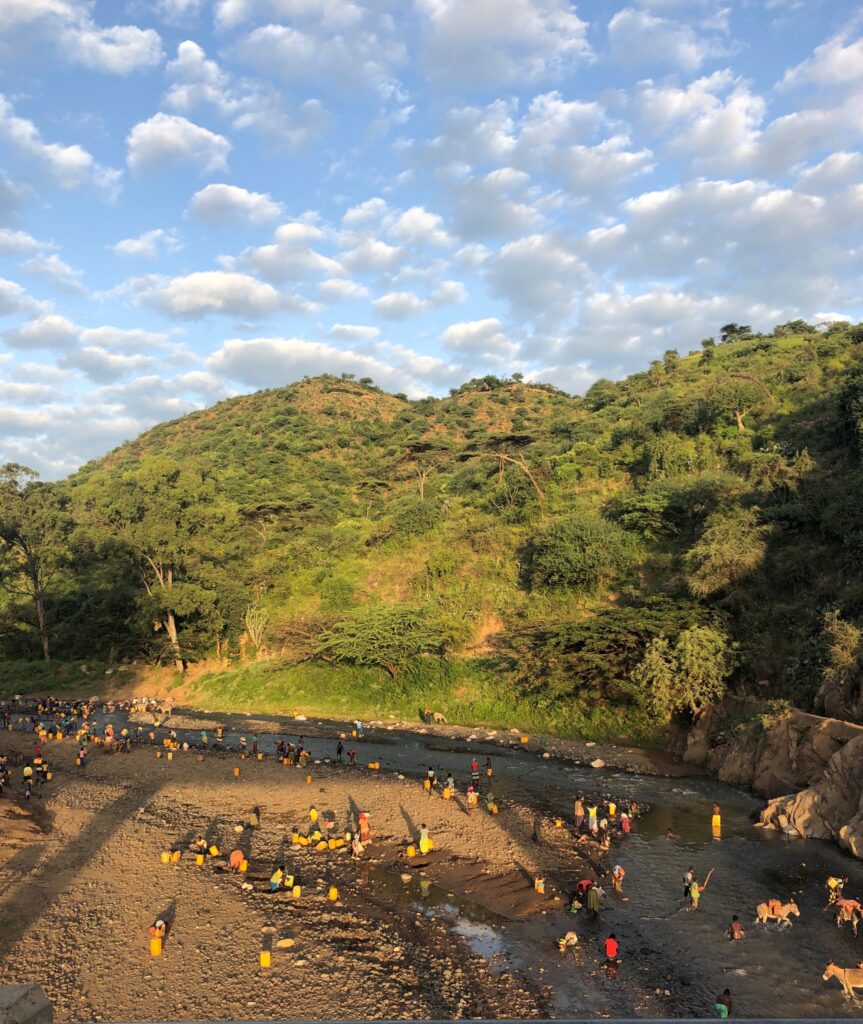
Natural resource governance focuses on understanding incentive mechanisms, governance approaches, political economy, behavior, and decision-making processes for inclusive, effective interventions and strategies for sustainable natural resource management, water-energy-food-environment solutions, and more resilient agrifood systems. The subtheme uses mixed-methods, observational, and experimental research that spans agriculture, the environment, institutional economics, sociology, education, and behavioral science, as well as systems-based approaches. Theme Lead: Wei Zhang

Responsible AI
Responsible AI explores how AI and digital innovation can be designed, governed, and applied responsibly in low- and middle-income countries. We combine user-centered design, rigorous testing of solutions, capacity sharing, and analysis of enabling policies, data systems, and partnerships. This approach aims to ensure that AI and digital innovation meaningfully contribute to impactful research, support small-scale producers, and enable just and sustainable transformation of food, land, and water systems. Theme Lead: Jawoo Koo

Evidence of Innovation Impact
Evidence of innovation impact generates evidence on how innovations shift trajectories for productivity, livelihoods, resilience, and equity. We use ex ante and ex post analytical tools at multiple levels and apply cutting-edge methods, including economy-wide modeling, econometric, geospatial, and mixed methods. The subtheme aims to improve understanding of how effects differ across geographies, population groups, and value chains, capturing both micro and macro development impacts. It also serves to assess the performance, cost-effectiveness, and contextual fit of innovations under real-world conditions. Theme Lead: Rui Benfica & Carlo Azzarri
Explore our latest research

Journal Article
Mapping supply chains, cost structure analysis, and investment priorities for food system transformation under conflict and climate stress in northern Nigeria
Journal Article
After quantification: Insights from India’s Soil Health Card scheme
Journal Article
Integrated hydrological and economic assessment of hydropower and irrigation development in Sudan under climate change
Blogs
News
Events


Projects
-
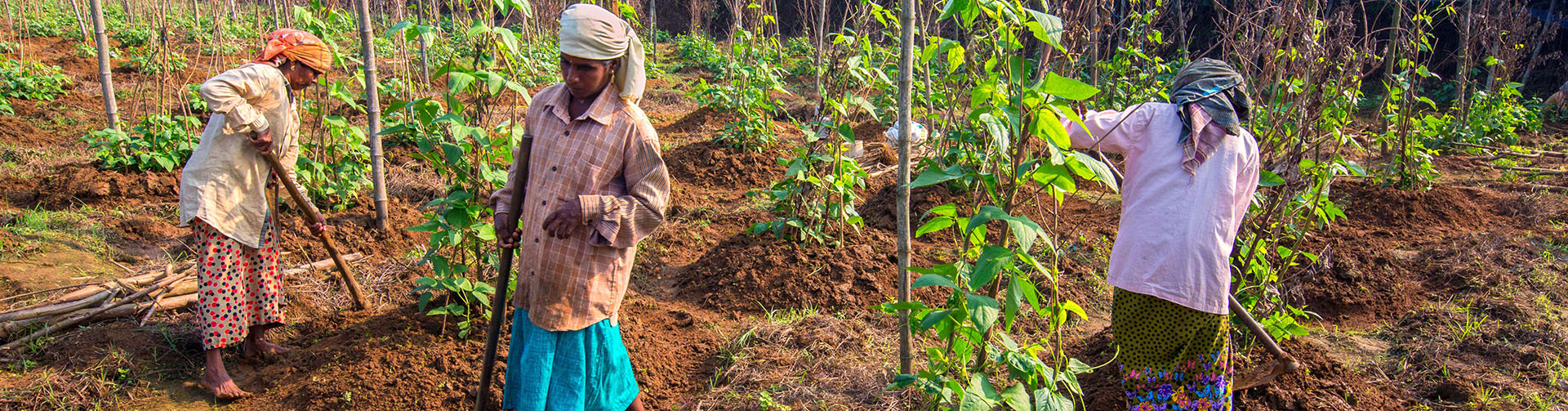
GCAN: Gender, Climate Change And Nutrition Integration Initiative
-
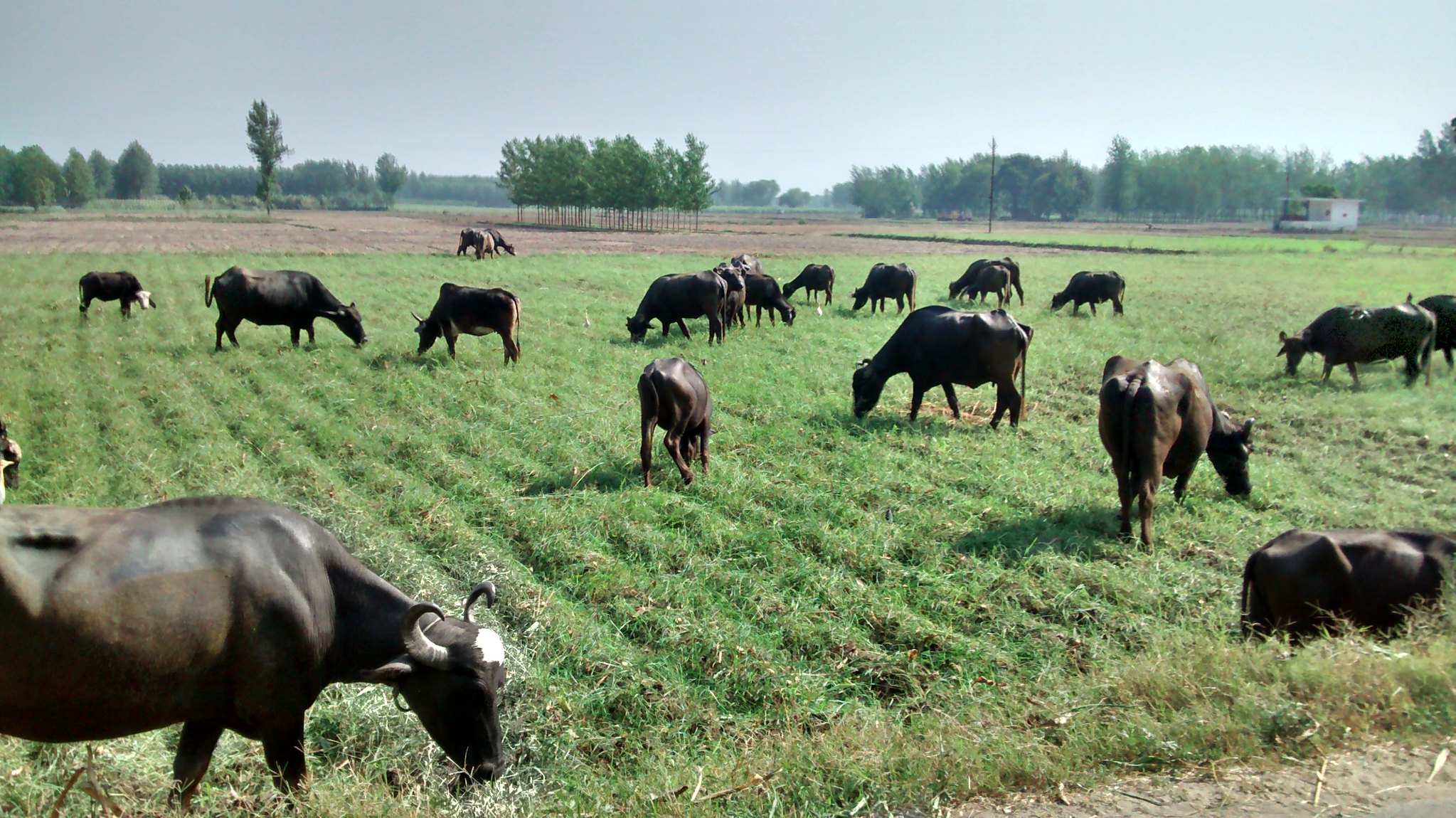
Alternative Proteins: Exploring Emerging Markets for New Protein Solutions
-

AI For Food Systems Research