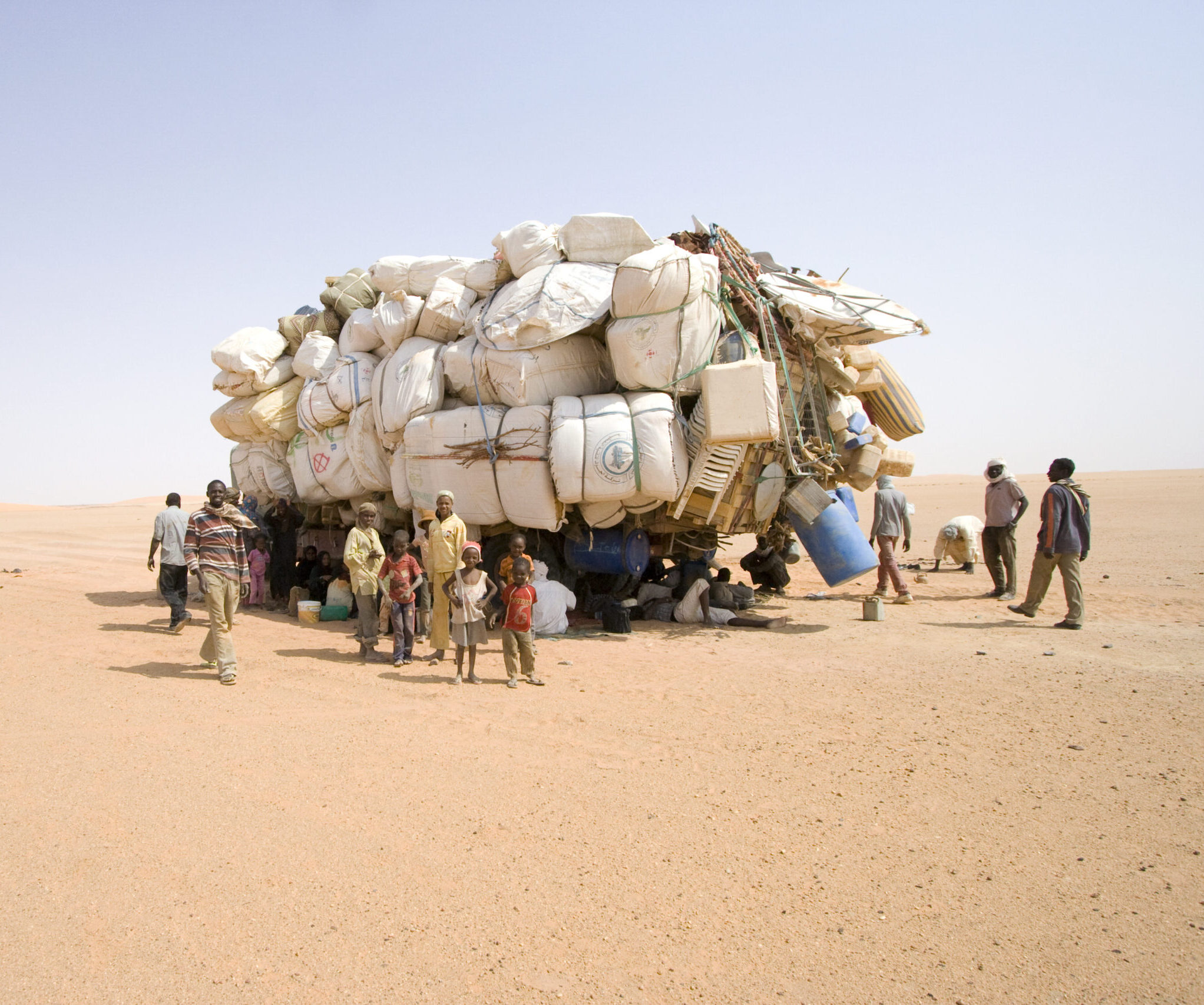
Fragile and conflict-affected settings (FCAS) face intersecting crises—political instability, violence, climate shocks, forced displacement, and weak institutions—that threaten food systems and the well-being of vulnerable populations. These compounding crises account for recent growth in poverty and malnutrition, and by 2030, nearly two-thirds of the world’s extreme poor are predicted to live in these contexts. Without action, those living in FCAS face spiraling risks, and resulting food crises that will entrench poverty and instability. Yet, with rigorous evidence and adaptable policy tools, these “frontier food systems” can offer critical opportunities to build resilience, stability, and recovery. Meeting this challenge requires solutions that cut across communities and geographies, linking humanitarian response with long-term transformation.
IFPRI’s integrated research agenda on fragility and conflict aims to inform monitoring, anticipation, prevention, crisis response, and long-term recovery strategies. Our researchers combine diverse expertise to generate evidence, inform policy, and design interventions that address urgent humanitarian needs in the short term while fostering resilient, inclusive food systems for the long term. Central to this approach are IFPRI’s country programs in FCAS, including Ethiopia, Myanmar, Nigeria, Papua New Guinea, and Sudan, as well as substantial work in Mali, Myanmar, Somalia, and Yemen, among others. These programs incorporate strong partnerships with national and local governments, as well as long-standing partnerships with international development organizations. Our wide portfolio of activities includes innovative foresight tools; real-time monitoring and large-scale data collection; policy impact simulations; evaluations of social protection and livelihood support programs; and agricultural, value chain, governance, and institutional innovations to build resilience—all with attention to inclusion of women and marginalized groups.
IFPRI’s research on fragile and conflict-affected settings is closely aligned with the Sustainable Development Goals and with the core CGIAR Impact Areas, including Poverty Reduction, Livelihoods, and Jobs; Gender Equality, Youth, and Social Inclusion; Nutrition, Health, and Food Security; and Climate Adaptation and Mitigation.
Key Resources for Fragility and Conflict Research:
- Research Concept Note [Link]
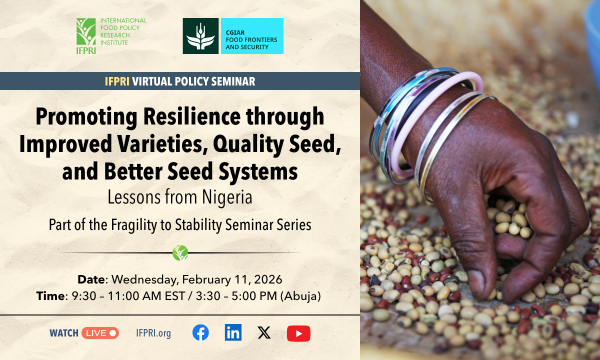
- Policy Seminar Series [Link]
- FCAS Strategic Plan [Link]